
Enhancing Quality in Automotive Production: Precision and Innovation
In the fast-evolving world of automotive production, precision and quality are paramount. The demand for vehicles that are not only reliable but also efficient and safe has pushed manufacturers to adopt advanced techniques and technologies. Enhancing quality in automotive production is no longer just about meeting standards; it is about exceeding expectations through innovation, meticulous processes, and continuous improvement.
The Importance of Quality in Automotive Production
Quality in automotive production directly impacts vehicle performance, safety, and customer satisfaction. Every component, from the engine to the smallest bolt, must meet strict specifications to ensure the final product functions flawlessly. Poor quality can lead to costly recalls, damage to brand reputation, and, most importantly, safety risks for drivers and passengers.
To maintain high quality, manufacturers implement rigorous testing and inspection protocols at every stage of production. This includes:
Material selection: Using high-grade materials that meet durability and safety standards.
Precision machining: Employing CNC machines and robotics to achieve exact dimensions.
Assembly accuracy: Ensuring parts fit perfectly to avoid malfunctions.
Quality control checks: Conducting visual inspections, automated testing, and functional assessments.
By focusing on these areas, automotive companies can reduce defects, improve reliability, and enhance overall vehicle quality.

Advanced Technologies Driving Quality Improvements
The integration of cutting-edge technologies has revolutionized quality control in automotive production. Some of the most impactful innovations include:
1. Automation and Robotics
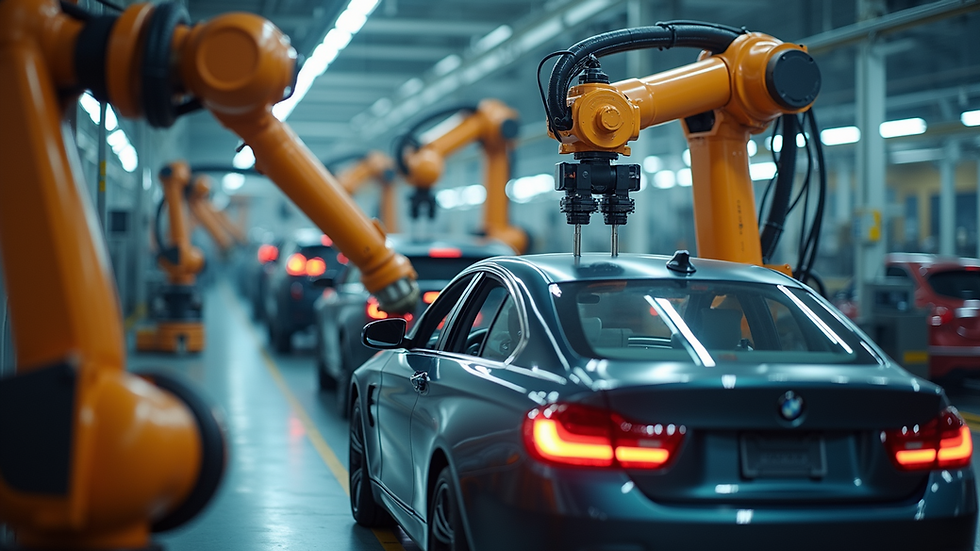
Robots perform repetitive tasks with high precision and consistency, reducing human error. Automated assembly lines can handle complex operations such as welding, painting, and part installation with minimal variation.
2. Artificial Intelligence and Machine Learning
AI systems analyze vast amounts of production data to detect anomalies and predict potential defects before they occur. Machine learning algorithms optimize manufacturing processes by identifying inefficiencies and suggesting improvements.
3. 3D Scanning and Digital Twin Technology
3D scanners create detailed digital models of parts and assemblies, allowing for precise measurements and comparisons against design specifications. Digital twins simulate the manufacturing process and product performance, enabling proactive quality management.
4. Internet of Things (IoT) Sensors
IoT sensors monitor equipment conditions and environmental factors in real-time. This data helps prevent breakdowns and ensures consistent production quality by maintaining optimal operating conditions.
By leveraging these technologies, manufacturers can achieve higher accuracy, reduce waste, and accelerate production cycles without compromising quality.
Who is the biggest automotive manufacturer?
The title of the biggest automotive manufacturer often shifts due to market dynamics, production volumes, and revenue. As of recent years, Toyota has consistently held the position as the largest automotive manufacturer globally. Toyota's success is attributed to its commitment to quality, innovation, and efficient production systems such as the Toyota Production System (TPS), which emphasizes lean manufacturing and continuous improvement.
Other major players include Volkswagen Group, General Motors, and Hyundai-Kia, each with significant global footprints and diverse vehicle portfolios. These companies invest heavily in research and development to maintain competitive advantages and meet evolving consumer demands.
Understanding the strategies and scale of these manufacturers provides valuable insights into industry trends and quality benchmarks.
Practical Strategies to Enhance Quality in Automotive Production
Improving quality in automotive production requires a combination of strategic planning, process optimization, and workforce engagement. Here are actionable recommendations:
1. Implement Lean Manufacturing Principles
Lean manufacturing focuses on eliminating waste and optimizing workflows. Techniques such as Just-In-Time (JIT) inventory, 5S workplace organization, and Kaizen continuous improvement help streamline production and reduce errors.
2. Invest in Employee Training
Skilled workers are essential for maintaining quality standards. Regular training programs on new technologies, quality control methods, and safety protocols empower employees to perform their tasks accurately and efficiently.
3. Use Statistical Process Control (SPC)
SPC involves monitoring production processes using statistical methods to detect variations that could lead to defects. By analyzing data trends, manufacturers can take corrective actions before problems escalate.
4. Foster Supplier Collaboration
Quality starts with the supply chain. Collaborating closely with suppliers ensures that raw materials and components meet specifications. Establishing clear quality agreements and conducting supplier audits are effective practices.
5. Adopt Robust Testing and Inspection
Incorporate multiple inspection stages, including incoming material checks, in-process inspections, and final product testing. Use automated vision systems and non-destructive testing techniques to enhance accuracy.
By applying these strategies, automotive manufacturers can build a culture of quality that permeates every aspect of production.
Future Trends Shaping Quality in Automotive Production
The future of automotive production quality is intertwined with emerging trends and technologies that promise even greater precision and efficiency.
Electrification and New Powertrains
The shift towards electric vehicles (EVs) introduces new components and assembly challenges. Ensuring quality in battery manufacturing, electric motors, and power electronics requires specialized processes and testing.
Advanced Materials
Lightweight materials such as carbon fiber composites and high-strength alloys improve vehicle performance but demand precise handling and fabrication techniques to maintain quality.
Augmented Reality (AR) and Virtual Reality (VR)
AR and VR technologies assist workers in assembly and maintenance by providing real-time guidance and visualization, reducing errors and training time.
Sustainability and Circular Economy
Quality in automotive production will increasingly incorporate sustainability metrics, focusing on reducing environmental impact and promoting recyclability without compromising product integrity.
Manufacturers that embrace these trends will be well-positioned to deliver superior quality vehicles that meet future market demands.
Elevating Standards Through Continuous Innovation
Enhancing quality in automotive production is a dynamic journey that requires dedication to innovation, precision, and collaboration. By integrating advanced technologies, adopting best practices, and anticipating future trends, manufacturers can achieve excellence that benefits consumers and the industry alike.
For those interested in exploring more about quality solutions in automotive manufacturing, resources such as PRP Quality offer valuable insights and services tailored to this sector.
Investing in quality today ensures safer, more reliable vehicles tomorrow, driving the automotive industry forward with confidence and integrity.


